
Why People Are Talking About It
Raw honey has been a kitchen staple for generations, kept on hand for all kinds of everyday routines. More recently, people online — many of them managing busy days full of work, family, and everything in between — have started sharing how they've folded a small honey ritual into their mornings, alongside things that already matter: consistent sleep, a clear head, and steady focus through the day.
It isn't a shortcut and it isn't a substitute for those basics. But as a simple, low-effort habit to pair with a healthier routine, it's easy to see why it's caught on. What started as a handful of posts in home-cooking and wellness circles has slowly turned into something bigger — enough that people keep asking the same questions: what is this habit exactly, where does it come from, and is it actually worth adding to a routine that's already busy enough?
This page walks through what's being said, what it's typically paired with, a bit of the research people point to, and a few things worth knowing before you try it yourself.
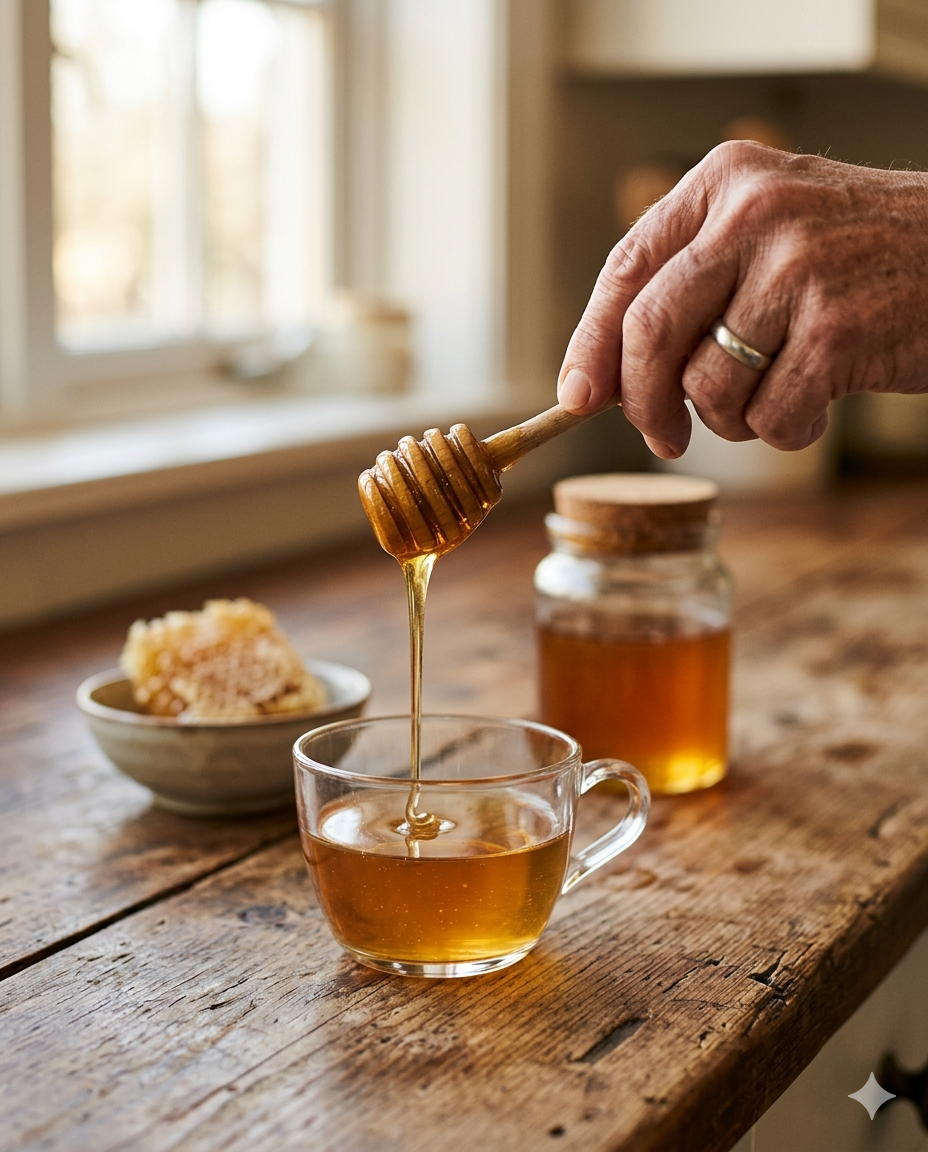
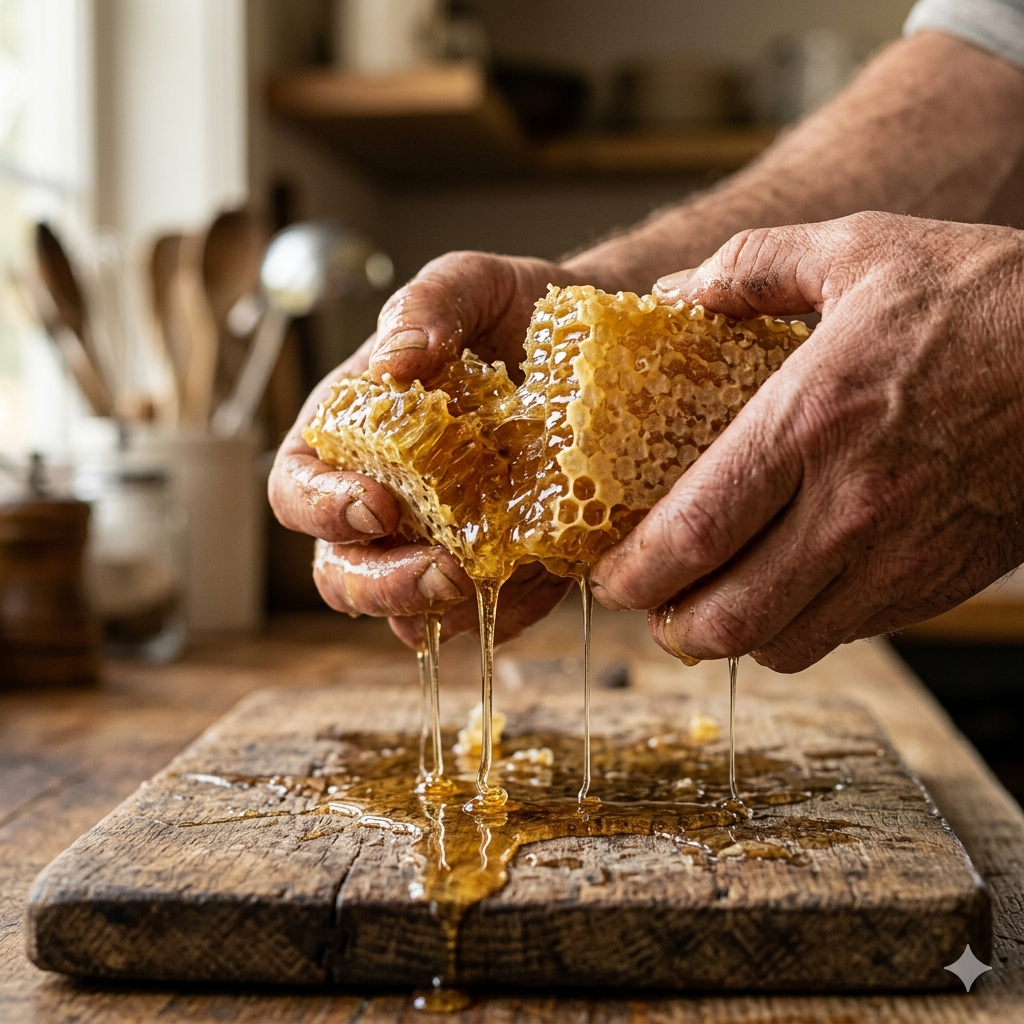
A Habit With A Long History
Honey isn't a new discovery. For thousands of years, cultures around the world have kept it in the kitchen and the pantry for all kinds of everyday routines, long before it showed up in modern wellness content. Beekeeping traditions still passed down today — jars filled straight from the comb, a wooden dipper always within reach — are part of why raw, minimally processed honey keeps coming up in these conversations instead of the more processed versions found on most grocery shelves.
What seems to have changed recently isn't the ingredient itself — it's how people are choosing to use it. Rather than treating honey as an occasional ingredient in baking or tea, some people have started working a small, consistent amount into a daily routine, the same way they might think about water intake or a regular bedtime.
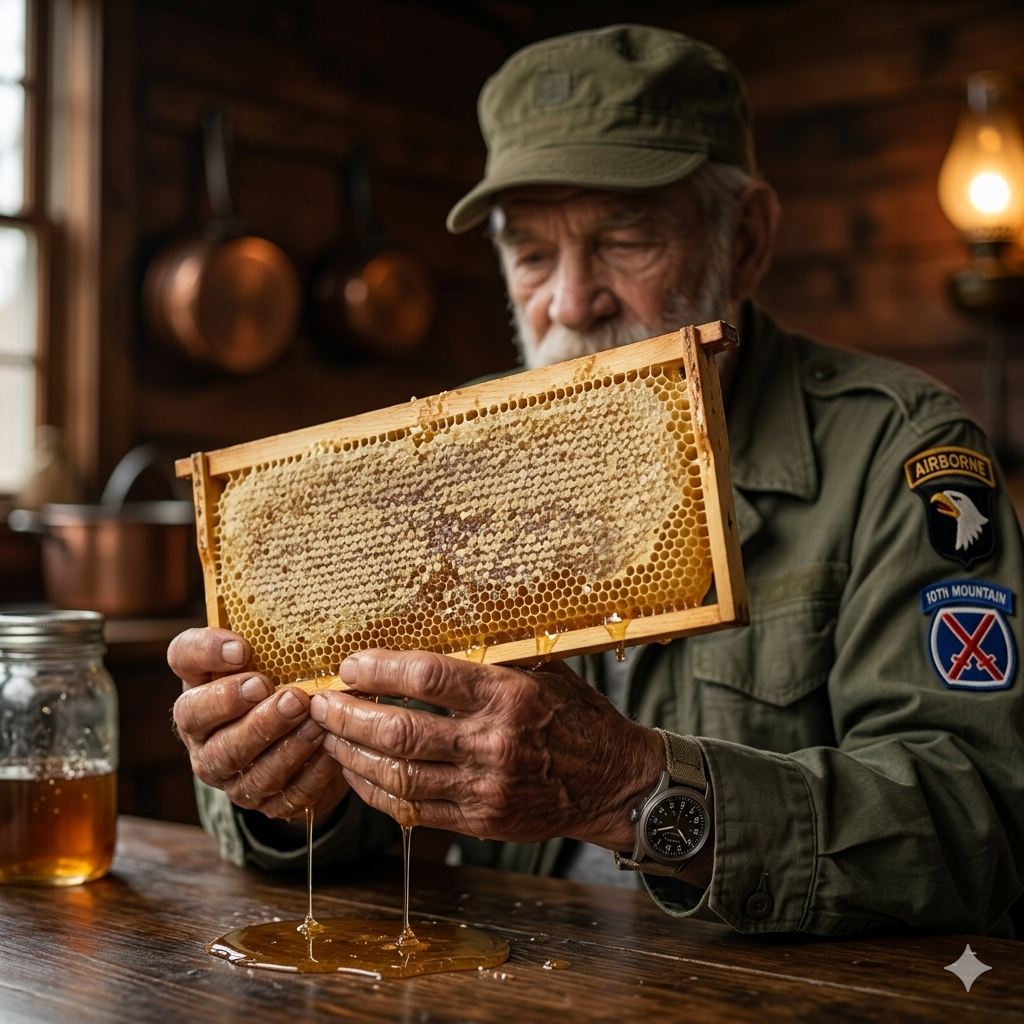
A tradition passed down
Many of the people sharing this habit online describe learning it from a parent or grandparent, or picking it up after spending time around a local beekeeper — part of why the ritual feels less like a trend and more like something rediscovered.
How People Are Actually Using It
There's no single "official" way this habit is described online — but a few patterns show up again and again in how people talk about working it into a day that's already full.
Morning
The most common version pairs a small amount of honey with something people are already doing — stirred into warm water, tea, or worked in alongside breakfast. The idea isn't to change the whole morning, just to add one small step to a routine that already exists, before the day gets busy and a clear head matters most.
Midday
A smaller group mentions a short pause around midday — a spoonful with a glass of water instead of reaching for another cup of coffee during the part of the afternoon when focus tends to dip.
Evening
Others describe a version closer to bedtime, often paired with the same wind-down habits that already come up around sleep — dimming lights earlier, cutting off screens, keeping a consistent bedtime.
A Simple Three-Step Ritual
Stripped down, the habit people describe online tends to follow the same basic shape. None of it requires special equipment or a big change to an existing routine.
-
Start with raw honey
People describing this habit consistently point to raw, minimally processed honey — closer to what comes straight out of the comb than the filtered kind sold in a squeeze bottle.
-
Pick one consistent moment
Rather than several servings spread through the day, most people mention a single, small amount worked into a moment that already exists in their routine — a warm drink, breakfast, or a wind-down ritual before bed.
-
Keep it simple on busier days
On days when a full routine doesn't happen, people describe keeping it simple — a spoonful on its own, rather than skipping it entirely.

A simple pantry ritual
Nothing here is complicated or hard to find. The interest seems to come from how easily it fits into a routine that already includes the basics — a spoonful worked into a warm drink, or added to a morning routine already in place.

The Brain Song
One product that keeps coming up alongside this kind of morning ritual is a short digital audio track called The Brain Song. It's marketed as a soundwave program designed by its creators to support focus and mental clarity through a daily listening habit — the kind of low-effort addition that fits the same "small daily ritual" idea described throughout this page. As with the honey habit itself, this is one option people mention, not a required step, and any specific claims made on its own product page are the creator's, not ours.
- Instant digital download
- Works on phone, tablet, or computer
- 100% money-back guarantee
Digital audio program. Individual results vary.
The Research People Point To
Curiosity about honey and brain health isn't only coming from social media. Researchers have spent years looking at how the antioxidant compounds naturally found in raw honey — mainly flavonoids and phenolic acids — interact with oxidative stress, a process that's been studied in connection with cognitive aging.
A 2023 review published in the journal Antioxidants and indexed on the National Library of Medicine's PubMed Central summarized several lines of research on honey's antioxidant, anti-inflammatory, and neuroprotective properties, describing honey as a "promising brain booster" worth continued study. A separate review in the IIUM Medical Journal Malaysia looked specifically at honey's antioxidant activity in the context of cognitive aging.
This is still an early and evolving area of research, much of it based on laboratory and animal studies rather than large human trials. It doesn't mean honey is a proven treatment for anything, and it isn't a substitute for medical care — but it does help explain why the topic keeps coming up in wellness conversations, and why some people feel more comfortable trying a habit that's already been studied in some form.
- Erusan Rajagopalan et al., "Honey on Brain Health: A Promising Brain Booster," Antioxidants, 2023 — PubMed Central
- Azman KF, Zakaria R., "Honey as an Antioxidant Therapy to Reduce Cognitive Ageing," IIUM Medical Journal Malaysia, 2019 — PubMed Central
What To Know Before You Try It
As with any change to a routine, a little context goes a long way. A few things worth keeping in mind:
- ✓ Not recommended for infants under 12 months. This is a well-established food-safety guideline for honey in general, unrelated to any specific habit or routine.
- ✓ Check for allergies. As with any bee product, some people may have a sensitivity worth being aware of before adding it to a daily routine.
- ✓ Talk to a doctor if you're managing a condition or taking medication — including if you're monitoring blood sugar, since honey is still a source of natural sugars.
- ✓ It's an addition, not a replacement. Nothing here is meant to substitute a balanced diet, regular movement, sleep, or any care plan already in place.
Common Questions
- Does the type of honey matter?
- Most of what's shared online points to raw or minimally processed honey rather than heavily filtered varieties, though preferences vary from person to person.
- How much do people typically use?
- Descriptions online vary quite a bit — usually a small, spoon-sized amount worked into a daily routine rather than a specific measured dose. There's no single standard being cited.
- Is this meant to replace a healthy routine?
- No. Every description of this habit that we've come across frames it as something added on top of existing basics — sleep, movement, diet — not a substitute for any of them.
- Is there real research behind this, or is it just anecdotal?
- Both. There's a genuine and growing body of published research looking at honey's antioxidant and neuroprotective properties, alongside a much larger amount of anecdotal sharing online. Neither one amounts to a guaranteed outcome for any individual.
- Who should check with a doctor first?
- Anyone managing a medical condition, taking medication, monitoring blood sugar, or pregnant or nursing should speak with a healthcare provider before changing their routine — that's true of any habit, not just this one.
- How long before people notice a difference?
- There's no consistent timeline in what's being shared. Individual experiences vary widely, and no specific outcome or timeframe is guaranteed.
See how this could fit into your own routine.